 Albânia
 Alemanha
 Argentina
 Austrália
 Brasil
 Bulgária
 Bélgica
 Bósnia e Herzegovina
 Canadá
 Chile
Chile
 Colômbia
 Croácia
 Dinamarca
 Eslovenia
 Eslováquia
 Espanha
 Estados Unidos da América
 Estônia
 Filipinas
 Finlândia
 França
 Grã Bretanha
 Grécia
 Hungria
 Irlanda
 Itália
 Letônia
 Lituânia
 Luxemburgo
 Macedónia do Norte
 Moldávia
 Montenegro
 México
 Noruega
 Nova Zelândia
 Países Baixos
 Polônia
 Portugal
 República Checa
 Romênia
 Suécia
 Suíça
Suíça
 Sérvia
 Turquia
 Ucrânia
 África do Sul
 Áustria







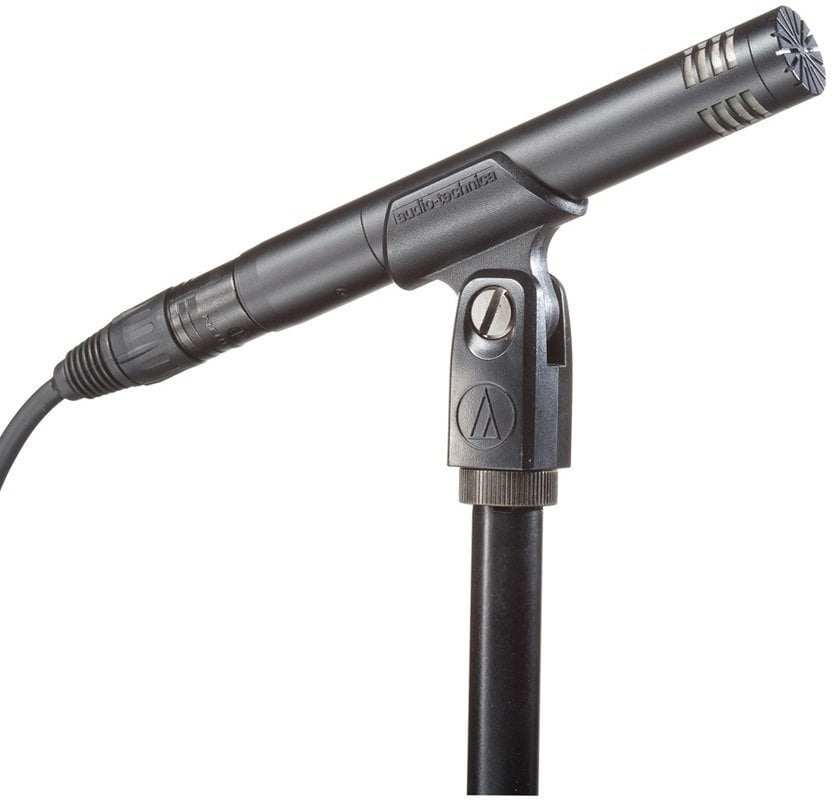
Audio-Technica AT2031 Microfone condensador para instrumentos
Marca: Audio-Technica
Código do produto: 216905
Marca: Audio-Technica
Código do produto: 216905

Audio-Technica AT2031 Microfone condensador para instrumentos
Esta descrição foi gerada de maneira automática por Software de tradução:
Microfone de condensador de pequeno diafragma da série 20 que é ideal para instrumentos de cordas em estúdio criativo e aplicações ao vivo, oferecendo um excelente desempenho e construção robusta. Seu elemento permanentemente polarizado oferece resposta de freqüência prolongada com um ligeiro aumento na faixa de alta freqüência para um som mais detalhado. O seu baixo nível de auto-ruído e alta capacidade de tratamento SPL oferecem uma ampla gama dinâmica, perfeitamente adequada para as aplicações mais exigentes. O padrão polar cardioide também melhora o isolamento da fonte de som desejada. O microfone possui um filtro de passagem de alta velocidade de 150 Hz 6dB / oct e um conector de tipo XLRM integral de 3 pinos. Ele vem com a braçadeira do suporte AT8405a, um pára-brisas e uma bolsa protetora macia. Resposta de frequência: 20 Hz-20 kHz. Roll-off de baixa freqüência: 150 Hz, 6 dB / oitava. Sensibilidade do circuito aberto: -34 dB (19,9 mV). Impedância: 85 ohms. Nível máximo de som de entrada: 141 dB SPL. Ruído: 17 dB. Alcance dinâmico: 124 dB. Relação sinal-ruído: 77 dB. Requisitos de energia fantasma: 48 V DC. Dimensões: 143 x 21 mm. Peso: 134 g.
Audio-Technica AT2031 — Cardioid Condenser Microphone for Strings, Overheads, and Percussion
Audio-Technica AT2031 is a small-diaphragm end-address cardioid condenser microphone engineered for critical studio and live recording of stringed instruments. Its permanently polarized element produces an extended frequency response with a slight rise in the high-frequency region, giving acoustic guitars, violins, cellos, harps, and pianos a more detailed and airy sound. This model is the ideal microphone for stringed instruments in critical studio and live applications, and its combination of low self-noise, high SPL handling, and rugged steel construction makes it equally useful as a drum overhead, hi-hat mic, or auxiliary on a recording session.
What Sets the AT2031 Apart in the Small-Diaphragm Condenser Category
Built around a fixed-charge back-plate permanently polarized condenser element, this unit pairs a star-shaped metal grille with four sets of quadruple slots for precise directivity control. The cardioid polar pattern improves isolation of the desired sound source, while the switchable 150 Hz, 6 dB/octave high-pass filter uses a gentle slope that controls low frequencies in a soft, natural way. Two units can be combined as an affordable ORTF or X/Y stereo pair, and the included AT8405a stand clamp fits any cylindrical microphone with a 21 mm diameter.
Element, Polar Pattern, and Frequency Response — Capturing Detail on Acoustic Sources
The capsule and tuning are what define how an instrument microphone translates the player's touch into a recording. The permanently polarized condenser element and cardioid pattern are tuned to flatter the natural resonances of strings and percussion, with a slight high-frequency lift that adds air without sounding harsh.
- Fixed-charge back plate permanently polarized condenser provides a stable, consistent output that does not require external polarization voltage.
- Polar Pattern: Cardioid — focused pickup that rejects off-axis bleed from nearby monitors or instruments
- Frequency Response: 20 – 20,000 Hz with a slight rise in the high-frequency region for added detail on strings and cymbals
SPL Handling, Dynamic Range, and Self-Noise — Performance Headroom for Loud and Quiet Sources
From the delicate top of a harp to the crack of a snare rimshot, the instrument mic is built to capture both extremes in a single session. A wide dynamic range and low self-noise mean quiet passages stay clean, while the maximum SPL rating keeps loud transients distortion-free.
- Maximum Input Sound Level: 141 dB SPL (1 kHz at 1% T.H.D.) — comfortably handles drum overheads, brass, and aggressive acoustic playing
- Dynamic Range: 124 dB (1 kHz at max SPL) — wide usable range between the noise floor and clipping point
- Noise: 17 dB SPL — low self-noise suited to digital recording chains and quiet acoustic sources
- Signal-to-Noise Ratio: 77 dB (1 kHz at 1 Pa) — clean signal for direct-to-interface recording
Build, Power, and Connectivity — Practical Specs for Studio and Stage
Mechanical and electrical details matter when a microphone moves between the control room, the rehearsal space, and the stage. The steel housing, compact footprint, and standard 48 V phantom power make it drop-in compatible with virtually any modern audio interface or mixing desk.
- Weight of 134 g makes it light enough for compact shock mounts and overhead mic bars.
- Dimensions: 143 mm long, 21 mm maximum body diameter — discreet end-address format that fits standard 21 mm clips
- Open Circuit Sensitivity: -34 dB (19.9 mV) re 1V at 1 Pa — strong output level for direct connection to most preamps and interfaces
- Phantom Power Requirements: 48 V DC, 2 mA typical — standard 48 V phantom from any mixer or audio interface
- Output Connector: Integral 3-pin XLRM-type — balanced output for long cable runs without noise pickup
- Switches: Flat / roll-off (150 Hz, 6 dB/octave) — engage the high-pass filter to cut stage rumble and proximity effect
- Accessories Included: AT8405a stand clamp, windscreen, soft protective pouch — ready to mount and transport straight from the box
Who the Instrument Mic Is For — Studio Engineers, Live Recordists, and Project Studios
It is the right choice for studio engineers, live recordists, and project-studio owners who need a small-diaphragm condenser that excels on stringed instruments, drum overheads, hi-hat, and piano. Musicians upgrading from built-in pickups to a dedicated microphone, classical and acoustic guitarists tracking demos or albums, and live sound engineers looking for a discreet, rugged auxiliary mic for percussion and overheads will find it effective. Two units also work well as an affordable ORTF or X/Y stereo pair for chamber ensembles, drum overheads, or piano.

Adequado para
Funcionamento da bateria
Não
Fabricado em
Japão
Documentos
Instruções de utilização
Informações sobre o fabricante
Instruções de segurança
Consulta o manual do utilizador para obteres as instruções de segurança específicas para este artigo.

Garantia alargada de 3 anos

Devoluções até 30 dias

Garantia de preço

Mais de 3M de clientes

Apoio profissional