 Albânia
 Alemanha
 Argentina
 Austrália
 Brasil
 Bulgária
 Bélgica
 Bósnia e Herzegovina
 Canadá
 Chile
Chile
 Colômbia
 Croácia
 Dinamarca
 Eslovenia
 Eslováquia
 Espanha
 Estados Unidos da América
 Estônia
 Filipinas
 Finlândia
 França
 Grã Bretanha
 Grécia
 Hungria
 Irlanda
 Itália
 Letônia
 Lituânia
 Luxemburgo
 Macedónia do Norte
 Moldávia
 Montenegro
 México
 Noruega
 Nova Zelândia
 Países Baixos
 Polônia
 Portugal
 República Checa
 Romênia
 Suécia
 Suíça
Suíça
 Sérvia
 Turquia
 Ucrânia
 África do Sul
 Áustria







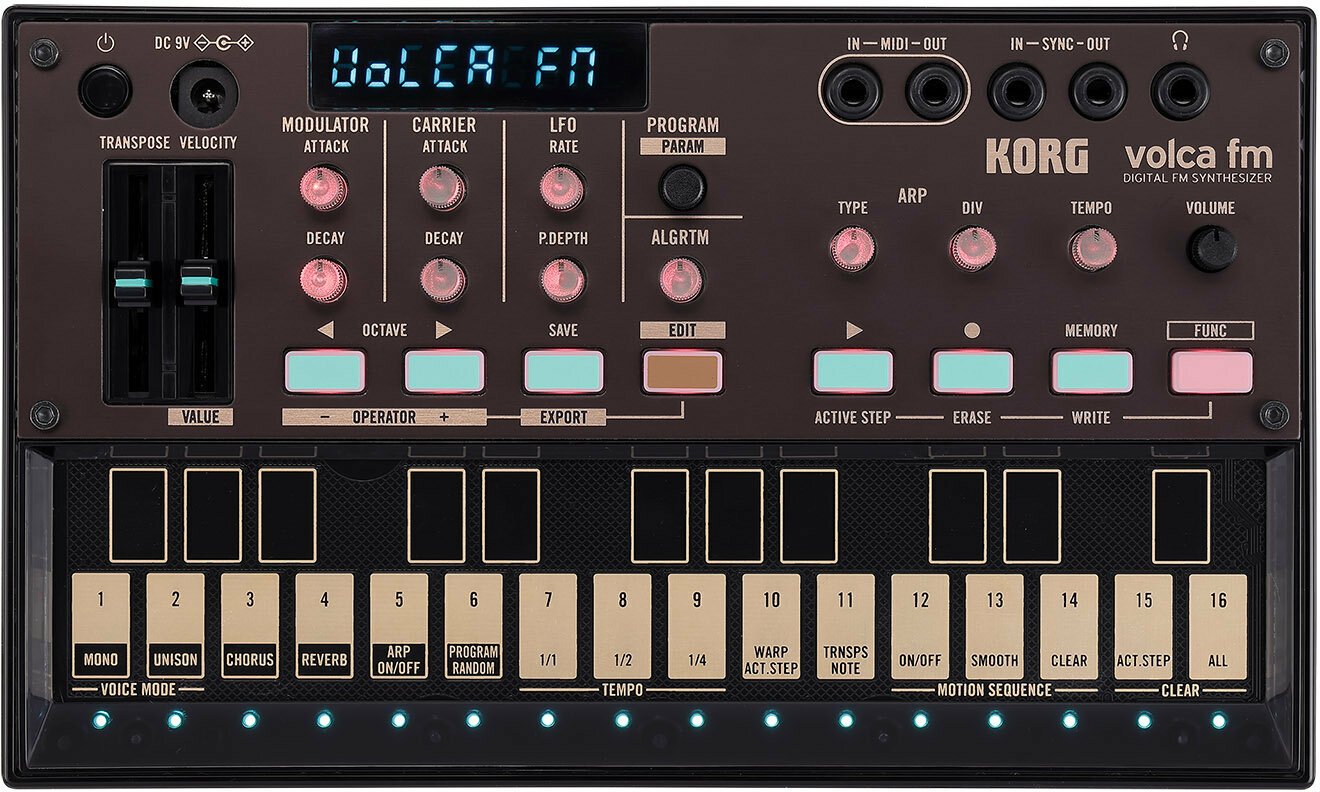
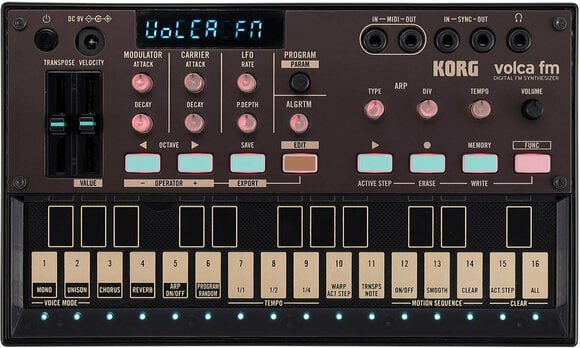
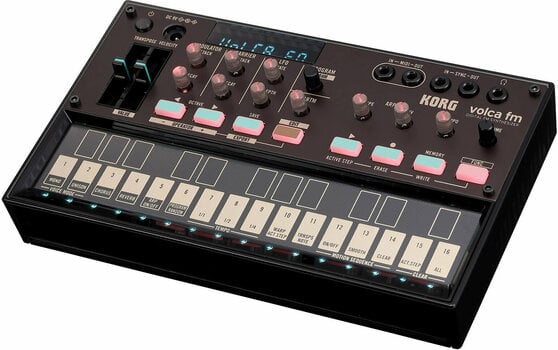
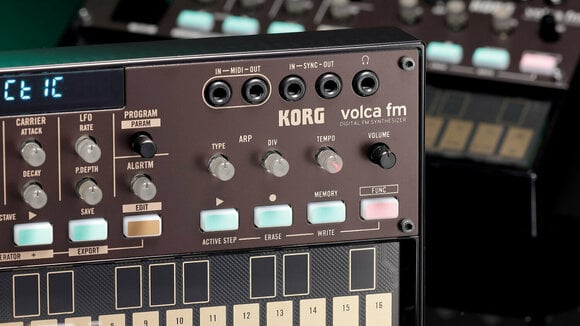
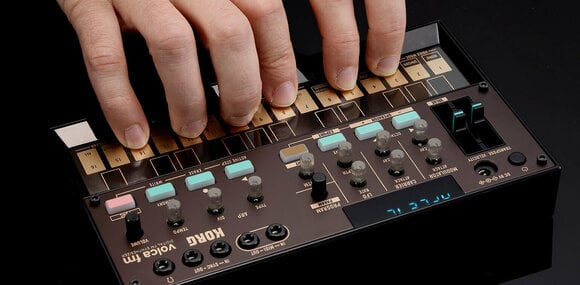
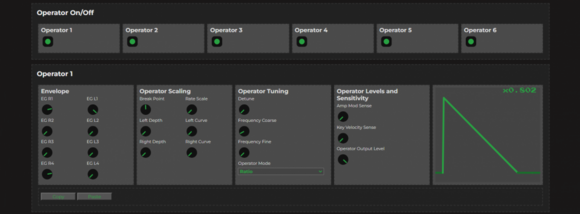
Korg Volca FM2 Sintetizador
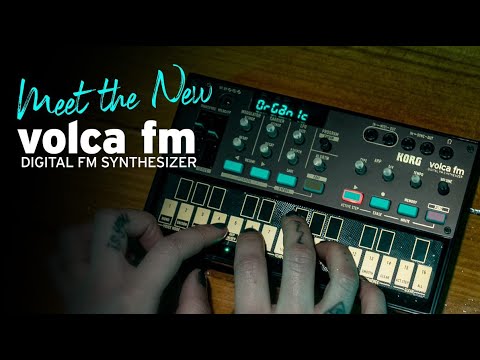
The Korg Volca FM2 is a compact 6-operator FM synthesizer that packs the legendary Yamaha DX7 sound engine into a portable, battery-powered chassis. With 32 classic algorithms, full SYS-EX patch compatibility, and 16-note polyphony, it delivers authentic frequency modulation synthesis at an accessible price point. The built-in 16-step sequencer with motion sequencing and a 9-pattern arpeggiator turn it into a complete track-building tool. Chorus and reverb effects add finishing polish, while MIDI in/out and sync I/O integrate it into any hardware or DAW rig.
- 6-operator FM engine with 32 classic algorithms for authentic DX7 sound
- 16-step polyphonic sequencer with motion sequencing and pattern chain
- 9-pattern arpeggiator with rise, fall, and random variations
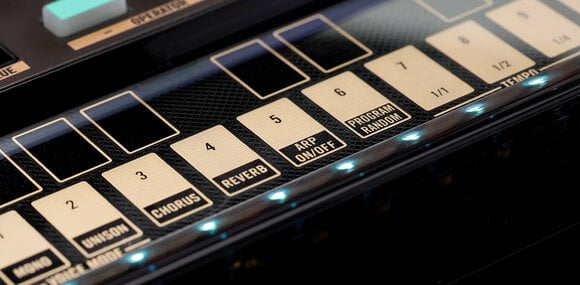
- Chorus and reverb effects with individual mix controls
Korg Volca FM2 — Portable DX7-compatible FM synthesizer
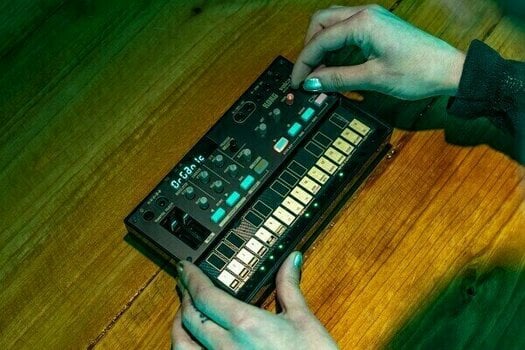
The Korg Volca FM2 is a next-generation FM synthesizer that brings the legendary Yamaha DX7 sound engine into a compact, battery-powered form factor. With 6 operators and 32 classic algorithms, it can load thousands of DX7 SYS-EX/SYX patches directly. At just 360g without batteries and running on 6 AA cells for approximately 10 hours, this synth goes wherever inspiration strikes. Built-in speakers, headphone output, and MIDI in/out via 3.5mm TRS make it a complete standalone station.
What makes the Volca FM2 unique in the compact FM synth category
The Volca FM2 stands apart with full DX7 SYS-EX/SYX compatibility — it can directly load thousands of classic patches from the Yamaha DX7 library. MODULATOR/CARRIER super-easy edit knobs map movements to multiple parameters simultaneously, making FM sound design accessible without deep knowledge of operator mathematics. The built-in program randomizer generates new patches based on existing presets, providing instant creative starting points for sound designers.
FM synthesis engine — 6 operators, 32 algorithms
The sound engine delivers a faithful reproduction of the Yamaha DX7 architecture. Six operators can be arranged in 32 different algorithm configurations, each producing distinct timbral characteristics from pure sine waves to complex harmonic stacks.
- Oscillators: 6 operators — each with its own envelope, frequency ratio, and output level
- Polyphony: 16 notes — enough voices for full chords and complex sequences
- Algorithms: 32 classic configurations — identical to the DX7 routing
Sequencer and arpeggiator — 16 steps, motion recording
The built-in sequencer transforms this model into a complete track-building instrument. The 16-step loop sequencer records performances in real time, while motion sequencing captures knob movements for dynamic, evolving patterns.
- Sequencer: 16 steps, 16 memory slots — chain patterns for sequences up to 256 steps
- Arpeggiator: 9 patterns — rise, fall, and random variations at multiple time divisions
- Motion Sequencing: Real-time automation — record parameter changes per step
Connectivity and effects — MIDI, sync, chorus, reverb
Despite its compact size, the Volca FM2 offers full connectivity for integration into any hardware or DAW setup.
- Effects: Chorus, Reverb — individual mix controls for spatial depth
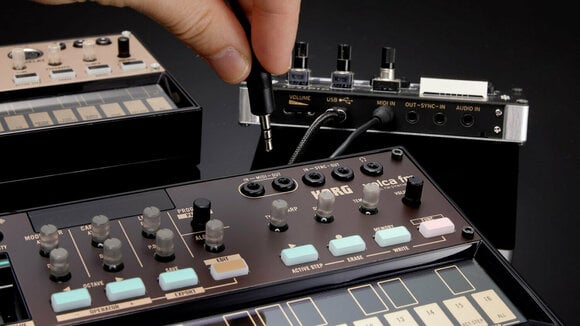
- MIDI: In/Out via 3.5mm TRS Type-A — control external gear or receive DAW input
- Sync: In/Out via 3.5mm mono — synchronize with other volca units
Ideal for FM synthesis enthusiasts and hardware producers
Producers and musicians who want authentic DX7-era FM synthesis in a portable format will find the Volca FM2 a compelling choice. It's well suited for hardware enthusiasts building a volca-based setup, syncing with other units in the series via sync I/O. Sound designers will appreciate the full SYS-EX compatibility, which allows loading thousands of classic DX7 patches and editing them with the on-board MODULATOR/CARRIER knobs or the free Synthmata online editor. Electronic music producers seeking distinctive FM tones — bell-like plucks, crystalline electric pianos, and evolving pads — will find it a valuable addition to their rig.
The Volca FM2 — Korg's tribute to the Yamaha DX7 legacy
The Volca FM2 builds on the success of the original Volca FM, Korg's first portable tribute to the Yamaha DX7 — the synthesizer that defined the sound of the 1980s. The original offered 3 voices of FM synthesis; this second generation doubles that while adding velocity sensitivity, a reverb effect, and MIDI output. The result captures the essence of the DX7 while adding modern conveniences like a program randomizer and motion sequencing.

Tipo
Desktop Synthesizer, Digital
LFO
Osciladores
Modulação
Arpejador
Número de predefinições
Interface MIDI
Altifalante incorporado
Tátil
Motor de áudio
Número de teclas
Tipo de teclado
Multi-touch Keypads
Polifonia
Curva da altura tonal
Não
Ecrã
Cor
Saída para auscultadores
Entradas
USB MIDI
Filtro
Não
Sequenciador
Sim
Conteúdo da embalagem
Funcionamento da bateria
Tipo de bateria
AA (6 x)
Fonte de alimentação
Adaptador ou bateria
Fonte de alimentação UK/UE incluída
Largura (cm)
19,3
Altura (cm)
4
Profundidade (cm)
11,5
Peso
360 g
Fabricado em
China


Todas as avaliações são feitas por clientes verificados que compraram um produto nosso.
Resumo das avaliações por IA
Com base no número de avaliações: 21
Pontos fortes
- Tamanho compacto: Os clientes elogiam constantemente seu design pequeno e portátil, que o torna conveniente para diversas configurações.
- Som potente: Apesar do tamanho, o sintetizador oferece um som forte e de alta qualidade, frequentemente comparado ao Yamaha DX7.
- Capacidade de síntese FM: É considerado um sintetizador FM completo, oferecendo sons FM clássicos e sendo uma ótima alternativa ao DX7.
- Facilidade de uso: Mesmo para iniciantes, o dispositivo é divertido e fácil de usar, proporcionando uma experiência agradável.
- Polifonia e recursos: O aumento da polifonia e o novo gerador de patches nesta segunda geração são melhorias significativas, aprimorando sua usabilidade e recursos de design de som.
Pontos fracos
- Conectividade MIDI: O dispositivo não possui um conector MIDI padrão nem uma porta USB MIDI, o que pode ser inconveniente para alguns usuários.
- Teclas sensíveis ao toque: As teclas sensíveis ao toque integradas são consideradas muito pequenas por alguns usuários, tornando os teclados MIDI externos preferíveis para tocar.
- Atualizações de firmware: Atualizar o firmware não é simples, pois requer um arquivo WAV reproduzido na entrada de sincronização de áudio em vez de uma porta USB.
O que os clientes repetem
Veredito
Documentos
Instruções de utilização
Instruções de segurança
Consulta o manual do utilizador para obteres as instruções de segurança específicas para este artigo.


Garantia alargada de 3 anos

Devoluções até 30 dias

Garantia de preço

Mais de 3M de clientes

Apoio profissional