 Albânia
 Alemanha
 Argentina
 Austrália
 Brasil
 Bulgária
 Bélgica
 Bósnia e Herzegovina
 Canadá
 Chile
Chile
 Colômbia
 Croácia
 Dinamarca
 Eslovenia
 Eslováquia
 Espanha
 Estados Unidos da América
 Estônia
 Filipinas
 Finlândia
 França
 Grã Bretanha
 Grécia
 Hungria
 Irlanda
 Itália
 Letônia
 Lituânia
 Luxemburgo
 Macedónia do Norte
 Moldávia
 Montenegro
 México
 Noruega
 Nova Zelândia
 Países Baixos
 Polônia
 Portugal
 República Checa
 Romênia
 Suécia
 Suíça
Suíça
 Sérvia
 Turquia
 Ucrânia
 África do Sul
 Áustria







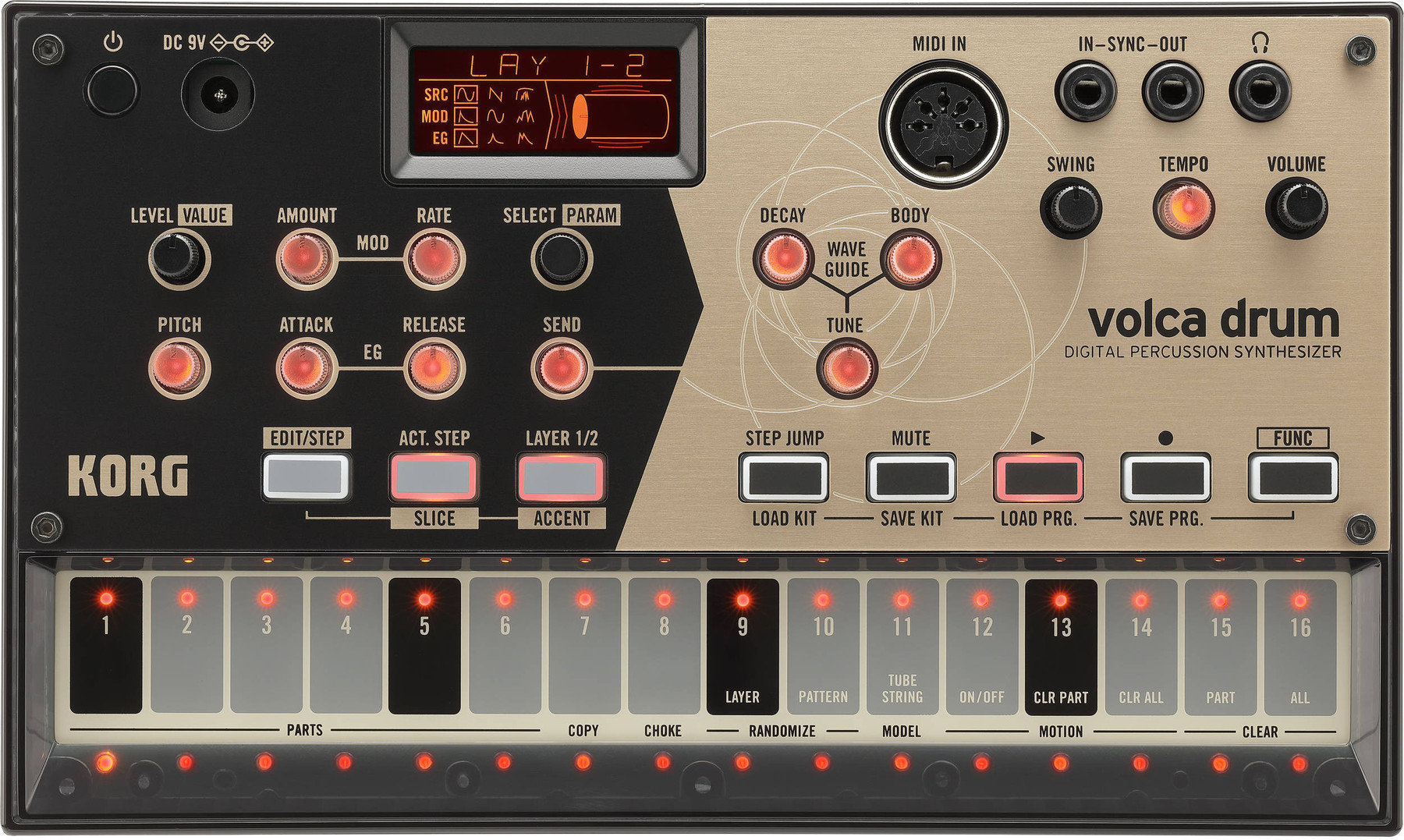
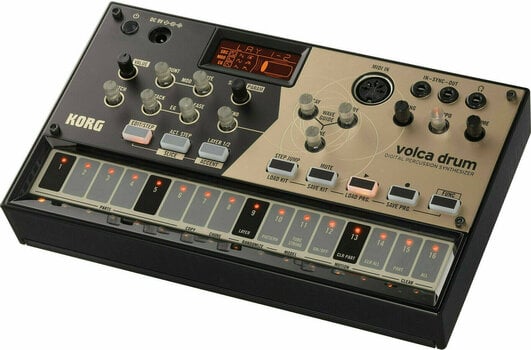
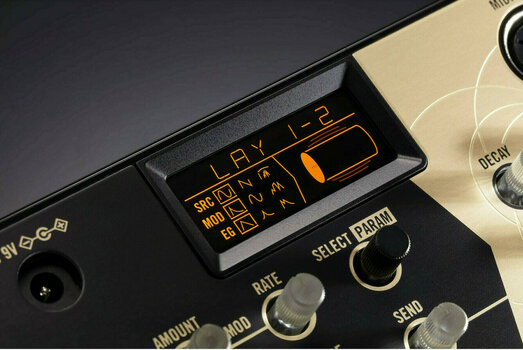
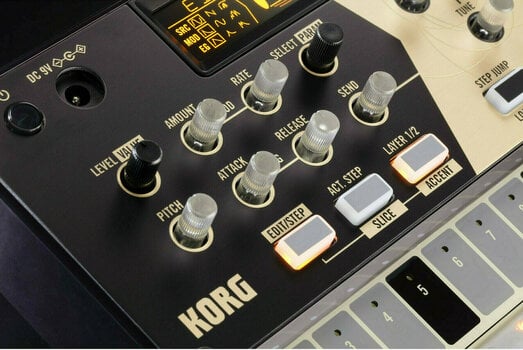
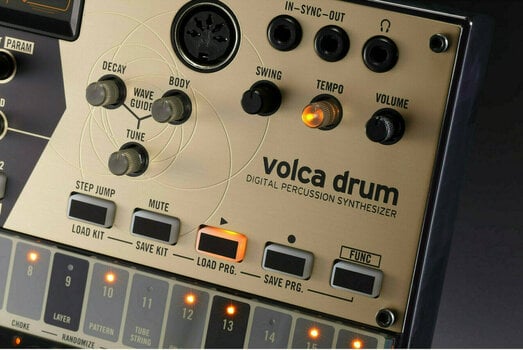
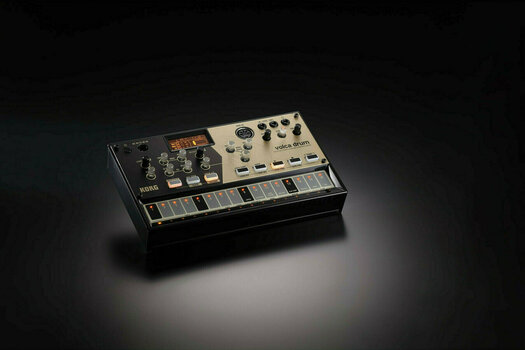
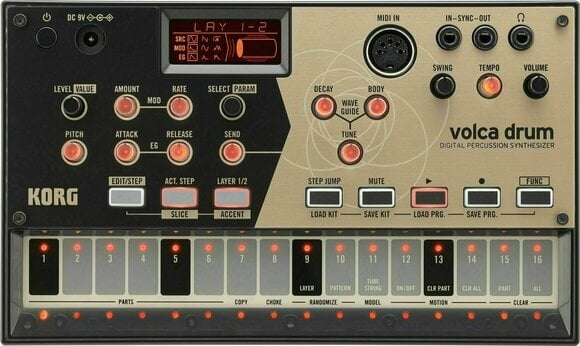
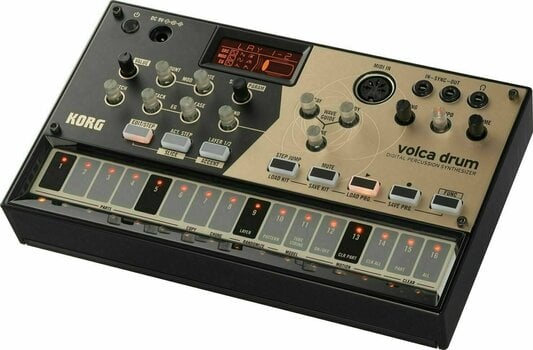
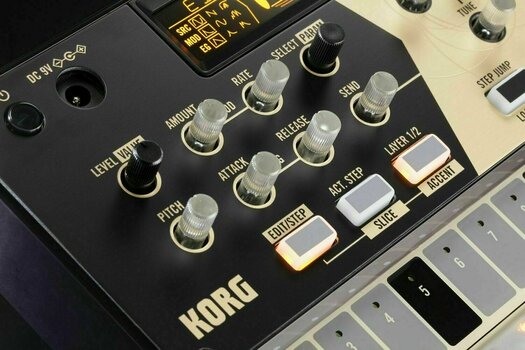
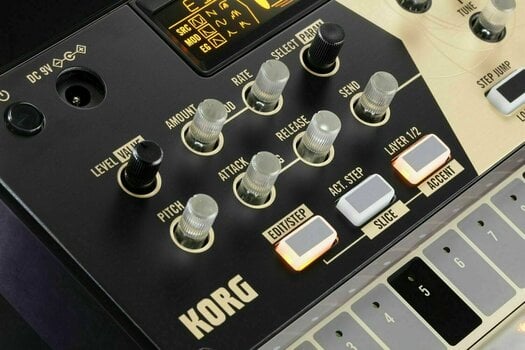
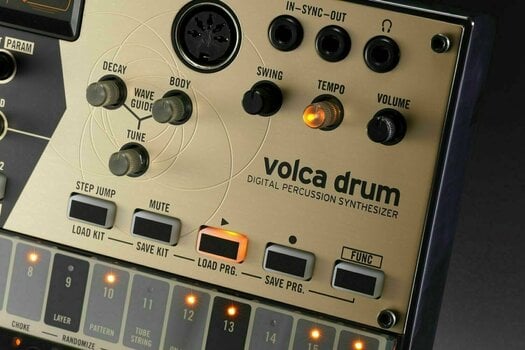
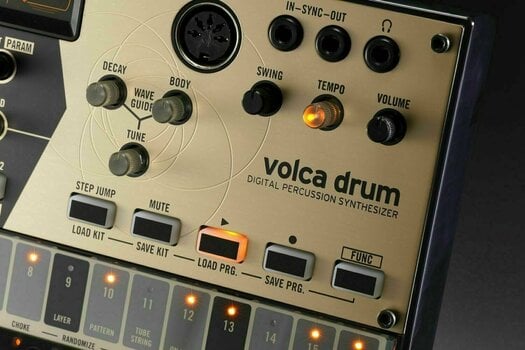
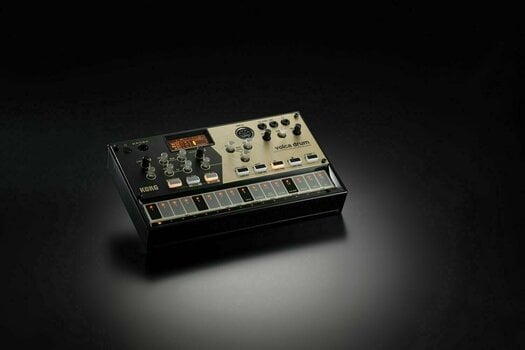
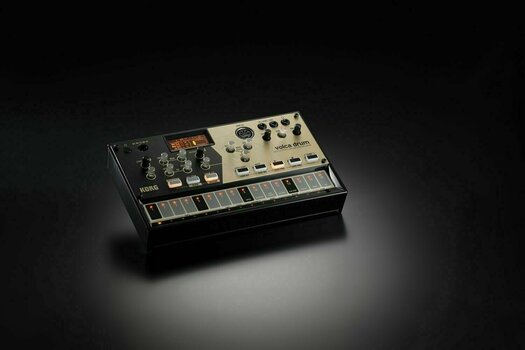

Korg Volca Drum Black Caixa de ritmos/groovebox
The Korg Volca Drum is a 6-part digital percussion synthesizer that builds every kick, snare, and percussion voice from the ground up using DSP-powered analog modelling rather than samples. Wave folder, overdrive, and a physical-modelling waveguide resonator shape each sound into something far stranger and more characterful than a typical drum machine.
- Six parts, each with two layers, give you twelve simultaneous oscillators for layered kicks, tuned percussion, and metallic hits.
- With the 16-step sequencer, knob movements become motion sequences across 69 parameters, making patterns evolve as they play.
- Tube and string waveguide models add sympathetic resonance, turning a single trigger into a living, ringing tone.
- Battery power, a built-in speaker, and 370 g of weight make this synthesizer a portable drum lab for both studio and stage.
Volca Drum — A Digital Percussion Synthesizer Built for Sound Design
The Volca Drum is a digital percussion synthesizer that abandons PCM-sampled kits in favour of DSP-driven analog modelling. Each of the six parts starts from a trigger waveform — sine, sawtooth, or HPF noise — and is shaped by wave folder, bit reduction, and overdrive to generate overtones and grit. What sets it apart is a physical-modelling waveguide resonator, which adds sympathetic resonances that transform a basic pulse into a body-rich drum voice.
What Sets the Volca Drum Apart in the Volca Lineup
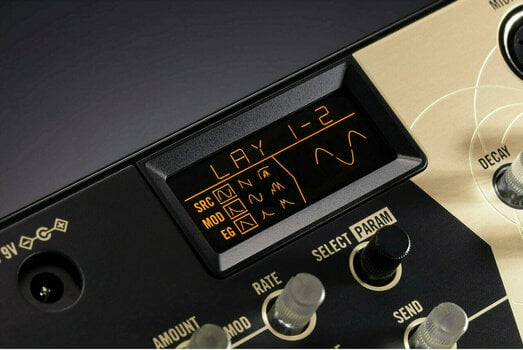
Joining the analog volca beats and volca kick, this model is the first volca to use a custom LCD and the first to ship with a waveguide resonator. Each part carries two independent layers stackable for thickness, and the sequencer memorizes motion across 69 parameters — far more automation depth than any sibling in the series.
Sound Engine — Six Parts, Two Layers, One Resonator
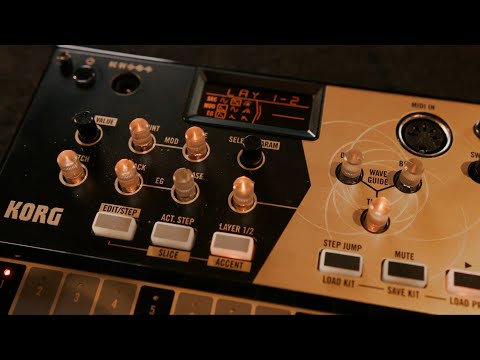
The sound engine is structured around six parts, each containing two layers with their own oscillator, pitch modulator, and amp envelope. Five oscillator types and three pitch-modulator and amp-EG options per layer give broad control over the trigger waveform before it reaches the wave folder and overdrive stages.
- Parts: 6 — each fully assignable, with no fixed kick/snare/hat convention
- Stack two layers per part to create thicker textures or blend different timbres for unique hybrid voices.
- Waveguide resonator — tube and strings models add body or metallic resonance via physical modelling
Sequencer — 16 Steps, Motion Recording, and Pattern Chains
The 16-step sequencer supports both step and realtime recording. Pattern chains link up to 16 sequences into 256-step arrangements. Motion sequence recording captures knob movements during playback, so parameter changes become part of the pattern itself.
- Steps per pattern: 16 with active-step skipping and step-jump triggering
- Pattern chain length: up to 256 steps across 16 linked sequences
- With motion recording, every knob turn is remembered and replayed across 69 parameters as the pattern plays.
Hardware — Connections, Power, and Portability
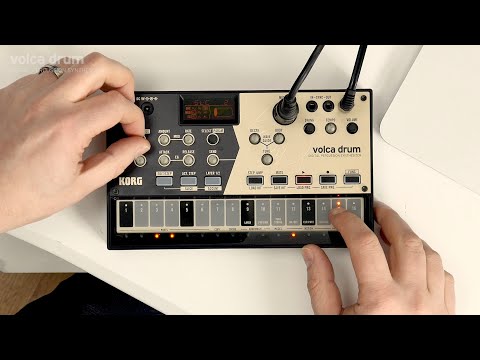
An etched aluminum front panel and custom LCD replace the segment displays used on earlier volcas. Sync In and Sync Out jacks (3.5 mm) link the unit to other volcas, the electribe, or the SQ-1, while MIDI IN lets it serve as a percussion module inside a DAW.
- Dimensions: 193 × 115 × 39 mm — fits next to a laptop or on a volca rack
- Weight: 370 g excluding batteries
- Thanks to its battery operation with 6 AA alkaline cells, you can play for approximately 10 hours without being tethered to an outlet.
Who the Volca Drum Is Built For
The Volca Drum is the right choice for electronic producers, beatmakers, and live performers seeking drum sounds no sample library can offer. Its dual-layer architecture, motion sequencing, and waveguide resonator invite experimentation rather than preset browsing — rewarding players who enjoy sound design as much as pattern programming. Compact and battery-powered, it works as a standalone sketch tool, a MIDI-triggered percussion module, or a synced voice in a volca rig.
The Volca Series and the Drum's Place in It
Announced at Winter NAMM 2019, the Volca Drum is the third drum-focused entry in Korg's volca lineup, alongside the analog volca beats and volca kick. The series puts unique sound engines — analog, PCM, FM, and DSP-modelled — into a compact, battery-powered form factor. The unit extends that philosophy with physical modelling and a custom LCD.

Tipo
USB para anfitrião
USB para dispositivo
USB
Não
Ranhura SD
Entradas
Saída para auscultadores
Sim
Saídas
USB MIDI
Sequenciador
Conteúdo da embalagem
Funcionamento da bateria
Sim
Tipo de bateria
AA (6 x)
Fonte de alimentação UK/UE incluída
Altura (cm)
3,9
Largura (cm)
19,3
Profundidade (cm)
11,5
Peso
370 g
Fabricado em
Vietname
Todas as avaliações são feitas por clientes verificados que compraram um produto nosso.
Resumo das avaliações por IA
Com base no número de avaliações: 25
Pontos fortes
- Versatilidade Sonora: Os clientes apreciam sua capacidade de produzir uma ampla gama de sons, desde batidas clássicas até texturas experimentais, especialmente quando combinado com efeitos externos.
- Design Compacto: Seu tamanho reduzido é uma grande vantagem, tornando-o portátil e fácil de integrar em diversas configurações, sem comprometer a funcionalidade.
- Qualidade de Construção: Apesar de sua construção pequena e em plástico, os clientes o consideram bem-feito e durável, refletindo a qualidade esperada da marca.
- Diversão: Muitos usuários o descrevem como um instrumento divertido e agradável, proporcionando uma ótima experiência tanto para iniciantes quanto para músicos experientes.
- Custo-Benefício: Os clientes o consideram um ótimo produto pelo seu preço, oferecendo alta qualidade e diversos recursos pelo valor cobrado.
Pontos fracos
- Adaptador de alimentação externo: O adaptador de alimentação é vendido separadamente e pode ser relativamente caro, o que alguns clientes consideram inconveniente.
- Sensibilidade dos botões: O tamanho pequeno dos botões os torna muito sensíveis, o que pode ser um pequeno inconveniente para alguns usuários.
- Posicionamento das entradas/saídas: Alguns usuários preferem que as entradas e saídas estejam localizadas na parte traseira, em vez da parte superior, para melhor organização dos cabos.
O que os clientes repetem
Veredito
Documentos
Instruções de utilização
Instruções de segurança
Consulta o manual do utilizador para obteres as instruções de segurança específicas para este artigo.

Garantia alargada de 3 anos

Devoluções até 30 dias

Garantia de preço

Mais de 3M de clientes

Apoio profissional